From Tours to Agreements: How to With Confidence Pick an Assisted Living Neighborhood
Business Name: BeeHive Homes of Enchanted Hills
Address: 6336 Enchanted Hills Blvd NE, Rio Rancho, NM 87144
Phone: (505) 221-6400
BeeHive Homes of Enchanted Hills
BeeHive Homes of Enchanted Hills offers Assisted Living for your loved ones. 24x7 care in the comfort of a private room with bath. Meals are family style and cooked fresh each day. Stop by today and visit, and see why we always say "Welcome Home!
6336 Enchanted Hills Blvd NE, Rio Rancho, NM 87144
Business Hours
Choosing an assisted living neighborhood is one of those choices that looks simple from the outside and feels extremely intricate up close. You are balancing safety and independence, expense and comfort, medical requirements and emotional requirements. You are weighing your own limitations as a care partner versus your parent's or spouse's strong desire to remain in control of their life.
I have actually sat at dining room tables with households who waited too long and needed to select a neighborhood in a rush after a fall. I have likewise worked with families who began early, utilized respite care as a trial run, and felt real relief when they lastly signed. The difference is rarely about money. It is about preparation, clearness, and the way they approached trips and contracts.
This guide walks through the process in the exact same order households experience it, from those first discussions to the day you sign the residency agreement.
Before you tour: get clear on requirements, limits, and non‑negotiables
Most tours go poorly not due to the fact that the neighborhood is bad, but due to the fact that the household strolls in with only an unclear idea of what they are searching for. If you start with a clear picture of requirements and limitations, you will sort choices faster and ask sharper questions.
Start with three containers: life, health, and household capacity.
For every day life, list what the older adult can realistically do alone and where they require assistance. Dressing, bathing, handling medications, preparing meals, walking securely through the home, using the phone, managing money, housekeeping, and transport. Be completely truthful. If they "often" forget early morning medications, that is a requirement. If they seldom cook and live on snacks, that is a requirement too.
For health, jot down medical diagnoses and current changes. Has actually there been weight-loss in the last six months. More falls. Worsening memory. New incontinence. Difficulty managing diabetes. Shortness of breath. Usage particular examples: "fell going to the bathroom two times in 3 months" is better than "unsteady."
Then take a difficult take a look at family capability. Who is helping now, and what is reasonably sustainable over the next year. Not what you want you might do, however what you can keep doing without stressing out or harming your own health or task. Lots of adult kids find they are currently beyond their limitation, even if they are reluctant to admit it.
From these discussions, identify three to 5 non‑negotiables. Examples: "must offer aid with bathing two times a week," "should have the ability to manage insulin," "should have secure memory care now or within the very same school if needed later," "must be within 20 minutes of my house," or "need to allow us to utilize long‑term care insurance coverage benefits." These non‑negotiables become your filter before and throughout tours.
Understanding what "assisted living" truly means
Families frequently assume that "assisted living" is a basic level of care. It is not. Laws and terms differ by state, and private neighborhoods layer their own marketing language on top of that.
In general, independent living is primarily real estate, meals, and social life with minimal hands‑on care. Assisted living is housing with assistance for activities of daily living, such as bathing, dressing, and medication suggestions. Memory care is a protected environment with extra structure for people living with dementia. Knowledgeable nursing facilities supply 24‑hour nursing for more complex medical needs.
Here is where it gets tricky. Some assisted living communities can manage moderate dementia, others can not. Some can handle two‑person transfers or mechanical lifts, tube feeding, sliding‑scale insulin, or oxygen. Others are not accredited or staffed for that level of senior care. Do not rely on a brochure that says "we support aging in place." Ask specifically: "At what point would you not have the ability to securely take care of my mom here, based upon her current conditions."
Respite care is another underused choice. Numerous assisted living neighborhoods use short‑term stays, varying from a few days to a few weeks. These can function as a bridge after a hospitalization or as a structured trial duration to see how your loved one adapts. Respite care can protect an overwhelmed partner from collapse and can provide hesitant parents a low‑commitment taste of neighborhood life.
Good elderly care preparation indicates looking beyond the next 60 days. If your dad has early dementia, can this community assistance him as memory problems development. Exists a memory care wing on website. Or will you be moving him again in 18 months when he requires a more safe setting. In some cases a slightly bigger neighborhood with more care levels on one campus makes later shifts gentler.
Making sense of glossy brochures and online reviews
Marketing materials highlight beautiful typical spaces, fresh flowers, and robust activities calendars. Those matter, however you also need to translate what they are not informing you.
If every picture reveals very active, independent elders playing pickleball or gardening, but your mother utilizes a walker and requires aid with transfers, ask how many residents require more hands‑on assistance. You wish to know whether she will suit socially and whether staff are utilized to higher care needs.
Online evaluations can be beneficial, however read them like an investigator. A number of complaints about food might just indicate picky eaters. Repetitive discusses of call bell hold-ups, regular staff turnover, or missing medications signal much deeper system problems. Take notice of how management responds. A thoughtful, particular reply that explains a process modification brings more weight than a generic apology.
Do not write off a neighborhood over one negative story, and do pass by one exclusively since it has polished branding. The most trustworthy data will come from what you see, hear, and smell when you visit.
Touring like a pro: what to watch for beyond the sales pitch
Tour days tend to be choreographed. Common areas are neat, staff are on their best behavior, and lunch looks especially appealing. Your task is to browse the edges and observe the regular details.
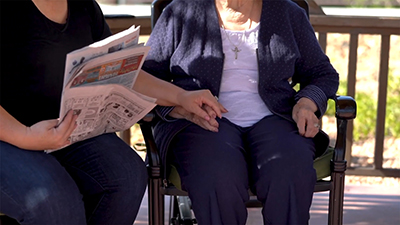
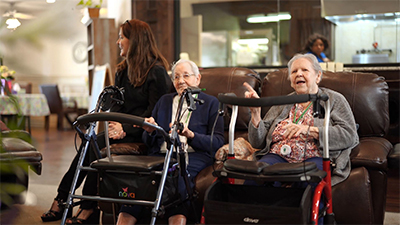
Arrive a little early and sit in the lobby. Are people walking through or utilizing wheelchairs being greeted by name. Do staff appearance hurried and tense or calm and engaged. Enjoy a couple of interactions in between personnel and residents, not just the ones the sales director stages. You can inform a lot from intonation and eye contact.
Use your senses. Strong smells in one wing might be a separated occurrence, however if the entire flooring smells like stale urine, that is normally a staffing, house cleaning, or continence management issue. Eavesdrop the hallways for unanswered call bells or repeated alarms. Routine sound is regular, consistent alarms normally signify bad action times or equipment that is being ignored.
Ask to see different room types, not simply the nicest model system. If they seem hesitant to show occupied apartments, that is easy to understand for privacy, however they should have the ability to reveal you at least one that is in fact resided in, mess and all. Search for useful features: grab bars, low thresholds, closets locals can in fact reach, enough space around the bed for two individuals if help with transfers is needed.
Eat a minimum of one meal in the dining-room if you can. See serving times. Does everyone get their food within a reasonable window, say 20 to 30 minutes. Exist adaptive utensils, smaller parts readily available for those with bad hunger, and noticeable options for individuals with dietary limitations. Food quality is essential, but mealtime procedure matters much more for frail seniors.
Questions to ask throughout tours that expose the genuine story
It is easy to go out of a tour with a folder of pamphlets and extremely couple of hard facts. Document your questions in advance and remember as you go.
Here is a focused checklist of concerns that tends to separate polished marketing from day‑to‑day truth:
- How do you choose what level of care a brand-new resident requirements, and who carries out that assessment.
- What is your present staff‑to‑resident ratio on day shift, night, and overnight, and how typically do you use agency staff.
- How do you deal with a resident whose care requirements increase suddenly, for example after a fall or healthcare facility stay.
- What is your average response time to call bells, and how do you track it.
- Can you stroll me through a current scenario where a resident's habits or health changed substantially, and how you dealt with it.
Notice how they respond to. Do they give specific numbers and stories, or vague reassurances. A director who can state, "We staff at a minimum of one caretaker to ten homeowners during the day, one to fourteen during the night, and our average call action is under 8 minutes, tracked electronically," offers you something you can compare throughout locations.
This is also the time to probe about doctor involvement. Some neighborhoods have going to medical care suppliers once a week or more, others rely completely on outdoors physicians. Ask whether there is an on‑call nurse after hours, how they handle thought strokes or cardiovascular disease, and how typically they send homeowners to the emergency situation room.
The monetary side: prices, add‑ons, and what contracts truly mean
Families frequently focus on the base month-to-month rate and overlook extra costs. That is how a "reasonable" 4,000 dollars monthly can rapidly become 6,000 or more.
Most assisted living neighborhoods utilize among 3 structures. A flat all‑inclusive rate, tiered packages of care, or point‑based systems where each task has a point worth. All‑inclusive models are predictable but frequently more costly. Tiered and point systems can be fairer, however they require vigilance. Request a written description of what is consisted of at each level, and examples of tasks that trigger a greater fee.
Clarify five things in writing: how typically they reassess care levels, how they inform you of changes, whether you can appeal a modification, how much notification you get before a charge boost, and historical patterns of annual rate walkings. A standard range is 3 to 8 percent each year, but some neighborhoods imposed much greater boosts after the pandemic to cover staffing costs.
Read the residency arrangement gradually, ideally with an attorney who understands senior care contracts if you can manage it. Pay specific attention to the discharge and expulsion area. Under what situations can they need your parent to leave. Nonpayment, hazardous habits, medical conditions they can no longer manage. Great operators are transparent about these criteria.
Look for mandatory arbitration clauses, which may limit your right to sue if something goes severely wrong. Opinions differ on whether to accept these, but you should a minimum of know what you are signing. If something feels unfair or confusing, ask for explanation in writing. Responsible neighborhoods are utilized to these questions.
Also understand how they handle long‑term care insurance, veterans benefits, or state programs. Some communities are personal pay only, others want to deal with numerous funding sources. If your parent's resources are likely to diminish gradually, ask what happens when private funds are exhausted. Will they assist transition to a Medicaid‑accepting facility if needed.
Safety, staffing, and medical oversight: the heart of quality senior care
A beautiful building means extremely little if staffing is thin or irregular. Quality elderly care comes from people, not chandeliers.
Ask to fulfill the director of nursing or health, not simply the sales director. This individual sets the tone for medical care. Ask the length of time they have remained in their function, and for how long key leaders have actually been with the community. Consistent leadership turnover typically shows up as chaotic care.
Staff to‑resident ratios matter, however so does the mix of staff. How many certified nurses are on responsibility per shift. Are medication assistants trained and supervised. Who can respond if somebody has chest pain at 2 a.m. Or an extreme hypoglycemic occasion. Inquire about personnel training on dementia, falls prevention, and managing behaviors like agitation or wandering.
Look closely at how medications are managed. Exists a secure medication room. How are modifications from doctors communicated. Exist double‑checks for high‑risk medications such as anticoagulants or insulin. Medication mistakes are one of the most typical issues in senior living, yet households seldom ask detailed questions about this.
Safety is not almost emergency situations. It is also about daily danger. Are there get bars and non‑slip floor covering in restrooms. Are outside spaces confined so somebody with memory problems can not roam into traffic. Are there treatments for missing residents, and how often does that in fact happen.
Red flags that deserve your attention
Every neighborhood has the periodic bad day. A single unpleasant employee or one unpleasant room does not necessarily inform the entire story. What you are trying to find are patterns.
Watch for these warning signs that typically require a review or crossing a place off your list:
- The tour guide can not give concrete responses on staffing, response times, or how they manage falls and hospitalizations.
- You see citizens sitting for long stretches in wheelchairs or typical areas without engagement, looking listless or calling out without response.
- Strong, persistent smells, especially in multiple locations, recommend persistent housekeeping or continence management problems.
- Staff avoid eye contact, appear confused about basic treatments, or express frustration about workload within earshot.
- Families you fulfill in the corridor offer hesitant or negative answers when you casually ask, "How do you like it here."
If 2 or three of these are present, pause and ask yourself whether the shiny surface area is hiding much deeper functional issues. It is much easier to walk away before you sign than to extract a susceptible parent from a poor fit later.
Using respite care as a low‑risk test drive
Respite care can be an exceptional method to gather real‑world data. A one to four week stay lets you see how your loved one responds to structured assistance and social life, and how the community reacts to them.
Not everyone takes to assisted living in the first couple of days. Some locals are suspicious or upset initially, particularly if they feel the relocation is being forced on them. Respite care offers you and the personnel time to see whether that softens when routines are established.
When utilizing respite care as a test, approach it honestly. Tell staff that you are thinking about a longer stay and you value candid feedback. Ask them after the first week how your mother is adjusting, whether they see care requirements you might have ignored, and whether they believe she fits well with the neighborhood culture.
Also pay attention to interaction. Do they call you about meaningful modifications without being prompted. Do they send out a short summary at the end of the stay. The method they handle a brief engagement is usually how they will act during a long one.
Balancing household opinions with the older grownup's voice
Family characteristics can make or break this process. One brother or sister may push for quick placement due to burnout, another might firmly insist that "mom is great at home" regardless of evidence to the contrary. The older grownup might have strong preferences that contravene what adult children view as safe.
Whenever possible, keep the individual who will live there at the center of the discussion. Ask what matters most: privacy, having a cooking area, hugging their church, keeping a pet, preventing shared spaces. Even cognitively impaired grownups frequently have clear choices, if you decrease enough to ask and listen.
During tours, enjoy their body language. Do they liven up in busy, social settings, or look overloaded. Are they drawn to smaller, quieter areas. I have seen introverted elders prosper in small, homelike assisted living homes while floundering in large neighborhoods with continuous activities. Fit matters as much as services.
At the very same time, do not let regret force you to promise what you can not deliver. If your father insists he will "manage fine in the house" however already needs physical assist with transfers and has had two falls, it is suitable to state, "We enjoy you, and we are not happy to risk you getting hurt once again. We need more help than we can supply in the house."
It can help to include a neutral expert, such as a geriatric care supervisor, social employee, or primary care doctor, to frame the requirement for assisted living or enhanced senior care as a health recommendation instead of a household betrayal.
From deposit to move‑in: what happens after you choose
Once you choose a community, the procedure generally follows a fairly consistent series. You book an apartment or condo with a deposit, your loved one goes through a clinical assessment by the neighborhood's nurse, the care strategy and last prices are established, and then the residency arrangement is signed.
Take the scientific assessment seriously. This is your chance to correct any rosy presumptions. If the nurse undervalues your parent's needs because they are "doing terrific today," you may end up under‑resourced on the flooring, and staff will struggle to maintain. Be in advance about falls, incontinence, roaming, or habits like sundowning. Good assisted living communities prefer assisted living candor. It assists them prepare staffing and minimizes the danger of a stopped working placement.
On move‑in day, keep expectations modest. It takes time for new locals to find out regimens and for staff to discover preferences. I frequently tell families to evaluate the shift over 30 to 90 days, not 3 to 5. Arrange regular but not constant visits. Too much hovering can prevent the resident from engaging with others, but overall lack can make them feel abandoned.
Ask for a care plan meeting within the very first month. Review how medication management is going, whether there have been any falls, how meals are going, and whether your loved one is participating in activities. This is also a chance to adjust small things that have a big effect, like chosen shower times or how staff hint for personal care.
Giving yourself approval to pick "good enough"
Perfect does not exist in senior care, whether in your home or in a neighborhood. There will be missed out on hints, staff turnover, days when the food is boring or an activity is canceled. The concern is not whether problems ever happen, however how they are managed when they do.
You are looking for a location where your parent or spouse is generally safe, normally well looked after, and offered opportunities for meaning and connection. You are also looking for a circumstance where you, as a care partner, can move from tired hands‑on caregiving to a role that consists of more emotional support and advocacy.
A strong assisted living neighborhood, used attentively, can be an ally in that shift. Tours and agreements are merely the front door to a longer relationship. If you stroll through that door with clear eyes, grounded expectations, and a desire to ask direct questions, you considerably increase the chances that you will land in a location where everyone can breathe a little easier.
BeeHive Homes of Enchanted Hills provides assisted living care
BeeHive Homes of Enchanted Hills provides memory care services
BeeHive Homes of Enchanted Hills provides respite care services
BeeHive Homes of Enchanted Hills supports assistance with bathing and grooming
BeeHive Homes of Enchanted Hills offers private bedrooms with private bathrooms
BeeHive Homes of Enchanted Hills provides medication monitoring and documentation
BeeHive Homes of Enchanted Hills serves dietitian-approved meals
BeeHive Homes of Enchanted Hills provides housekeeping services
BeeHive Homes of Enchanted Hills provides laundry services
BeeHive Homes of Enchanted Hills offers community dining and social engagement activities
BeeHive Homes of Enchanted Hills features life enrichment activities
BeeHive Homes of Enchanted Hills supports personal care assistance during meals and daily routines
BeeHive Homes of Enchanted Hills promotes frequent physical and mental exercise opportunities
BeeHive Homes of Enchanted Hills provides a home-like residential environment
BeeHive Homes of Enchanted Hills creates customized care plans as residents’ needs change
BeeHive Homes of Enchanted Hills assesses individual resident care needs
BeeHive Homes of Enchanted Hills accepts private pay and long-term care insurance
BeeHive Homes of Enchanted Hills assists qualified veterans with Aid and Attendance benefits
BeeHive Homes of Enchanted Hills encourages meaningful resident-to-staff relationships
BeeHive Homes of Enchanted Hills delivers compassionate, attentive senior care focused on dignity and comfort
BeeHive Homes of Enchanted Hills has a phone number of (505) 221-6400
BeeHive Homes of Enchanted Hills has an address of 6336 Enchanted Hills Blvd NE, Rio Rancho, NM 87144
BeeHive Homes of Enchanted Hills has a website https://beehivehomes.com/locations/enchanted-hills/
BeeHive Homes of Enchanted Hills has Google Maps listing https://maps.app.goo.gl/5LqAWwumxTEeaW5p7
BeeHive Homes of Enchanted Hills has Instagram page https://www.instagram.com/beehivehomesriorancho/
BeeHive Homes of Enchanted Hills has an YouTube page https://www.youtube.com/@WelcomeHomeBeeHiveHomes
BeeHive Homes of Enchanted Hills has an Facebook page https://www.facebook.com/beehivehomesenchantedhills/
BeeHive Homes of Enchanted Hills won Top Assisted Living Homes 2025
BeeHive Homes of Enchanted Hills earned Best Customer Service Award 2024
BeeHive Homes of Enchanted Hills placed 1st for Senior Living Communities 2025
People Also Ask about BeeHive Homes of Enchanted Hills
What is BeeHive Homes of Enchanted Hills Living monthly room rate?
The rate depends on the level of care that is needed. We do a pre-admission evaluation for each resident to determine the level of care needed. The monthly rate is based on this evaluation. There are no hidden costs or fees
Can residents stay in BeeHive Homes until the end of their life?
Usually yes. There are exceptions, such as when there are safety issues with the resident, or they need 24 hour skilled nursing services
Do we have a nurse on staff?
No, but each BeeHive Home has a consulting Nurse available 24 – 7. if nursing services are needed, a doctor can order home health to come into the home
What are BeeHive Homes’ visiting hours?
Visiting hours are adjusted to accommodate the families and the resident’s needs… just not too early or too late
Do we have couple’s rooms available?
Yes, each home has rooms designed to accommodate couples. Please ask about the availability of these rooms
Where is BeeHive Homes of Enchanted Hills located?
BeeHive Homes of Enchanted Hills is conveniently located at 6336 Enchanted Hills Blvd NE, Rio Rancho, NM 87144. You can easily find directions on Google Maps or call at (505) 221-6400 Monday through Sunday 9:00am to 5:00pm
How can I contact BeeHive Homes of Enchanted Hills?
You can contact BeeHive Homes of Enchanted Hills by phone at: (505) 221-6400, visit their website at https://beehivehomes.com/locations/enchanted-hills/ or connect on social media via Instagram TikTok or YouTube or Facebook
Residents may take a trip to Mountain view Park . Mountain view Park offers accessible paths and seating areas suitable for assisted living, memory care, senior care, elderly care, and respite care strolls.